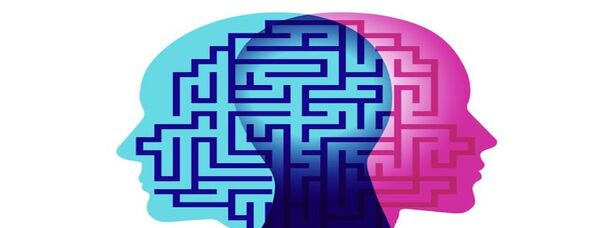
When I was a boy in middle and high school, there were lots of other kids who, during one year were stoners, and the next, were computer nerds; one year were jocks, and the next, were stoners; one year were D&D geeks, and the next, were into cars. This is as it should be. Your tween/teen years should be fluid. They should be a point in time in your life, when you experiment and play with different ways of being.
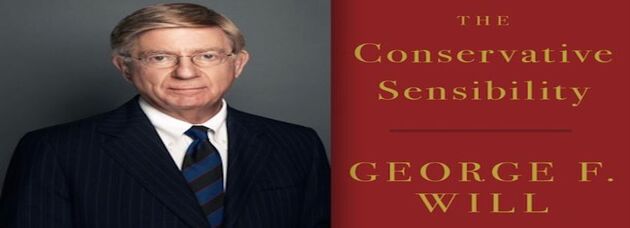
George Will, On The Character of American Conservatism (From his book “The Conservative Sensibility” )
…Although it distresses some American conservatives to be told this, American conservatism has little in common with European conservatism, which is descended from, and often is still tainted by, throne-and-altar, blood-and-soil nostalgia, irrationality, and tribalism. American conservatism has a clear mission: It is to conserve, by articulating and demonstrating the continuing pertinence of, the Founders’ thinking.
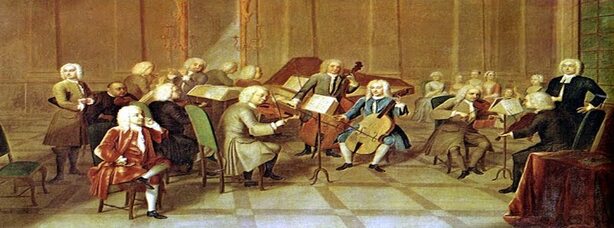
When I was in my twenties, I loved listening to great performances of the Tchaikovsky, Bartok, and Mendelssohn violin concerti. I was captivated by the pathos of the music, and admired the passion and athleticism of the artists performing them. Conversely, I used to dread, as a choir singer, the plodding, predictable clockwork of the baroque masters: Bach, Handel, and Vivaldi.
Now, I am in my mid-fifties, and the tables have turned.
I have been thinking a bit about what a philosopher is, and in the tradition of Aristotle, have naturally been drawn to try to categorize them. It seems to me that there are three distinct roles for philosophy: Analysis, Interpretation, and Speculation.
The analytical philosopher is driven, as Simon Blackburn describes, to “give an account” of the universe and our experience of it - to reduce it, or explain it in simpler, more precise, or more fundamental terms.
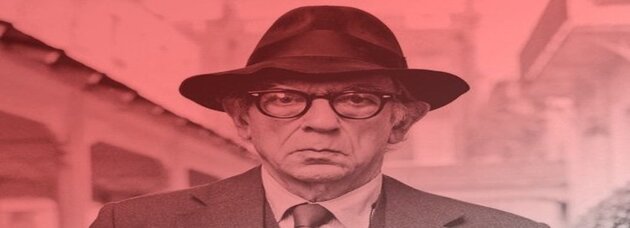
The following is from Isaiah Berlin’s book, “Freedom and It’s Betrayal”, wherein he has some very mean things to say about Rousseau ;)
In theory Rousseau speaks like any other eighteenth-century philosophe, and says: ‘We must employ our reason.’ He uses deductive reasoning, sometimes very cogent, very lucid and extremely well-expressed, for reaching his conclusions. But in reality what happens is that this deductive reasoning is like a strait-jacket of logic which he claps upon the inner, burning, almost lunatic vision within; it is this extraordinary combination of the insane inner vision with the cold rigorous strait-jacket of a kind of Calvinistic logic which really gives his prose its powerful enchantment and its hypnotic effect.
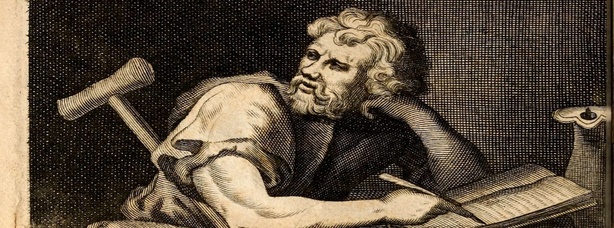
One of the things the stoics get right, is the insight that there is little an agent has any real power to influence. Even where it seems there is a great deal, that control is largely an illusion drawn from an overzealous interpretation of our experience of collective agreement.
When I was young, I wasn’t particularly interested in who or what I could control, for its own sake. But I was interested in control over the world, insofar as it was an instrument to control over my own destiny.
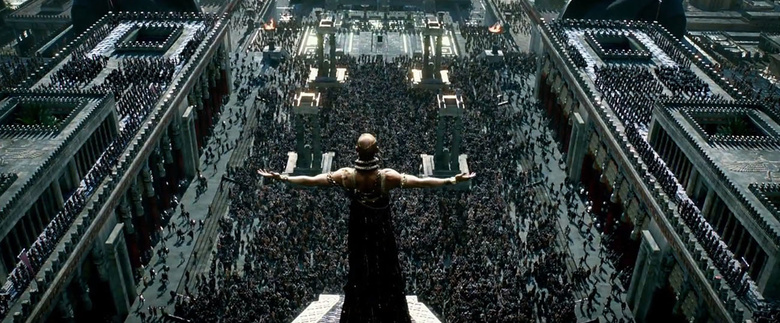
Fascism is a form of tribalist totalitarianism. A traditional particularist tyranny, which privileges a core ethnic identity, and views the individual as an ‘organ’ in the ‘body politic’, which must conform in order for the organism to succeed. Where the individual rejects “the body”, he will, after the fashion of Rousseau, “be forced to be free”. History tends toward the ascendance of the most righteous organism, in this view.
Communism is a form of universalist totalitarianism.
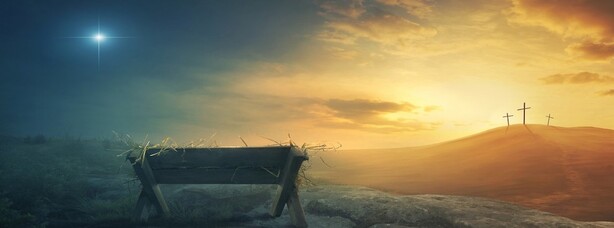
If you live in the west for any serious length of time, you become familiar with the story: Mary has an audience with an angel, who tells her she is to become a mother. God visits her, and pronounces her the mother of the Son Of God. She and her oddly accepting husband Joseph head off into the desert to be counted in Bethlehem, where the boy is born in a manger, and proclaimed the savior of the world.
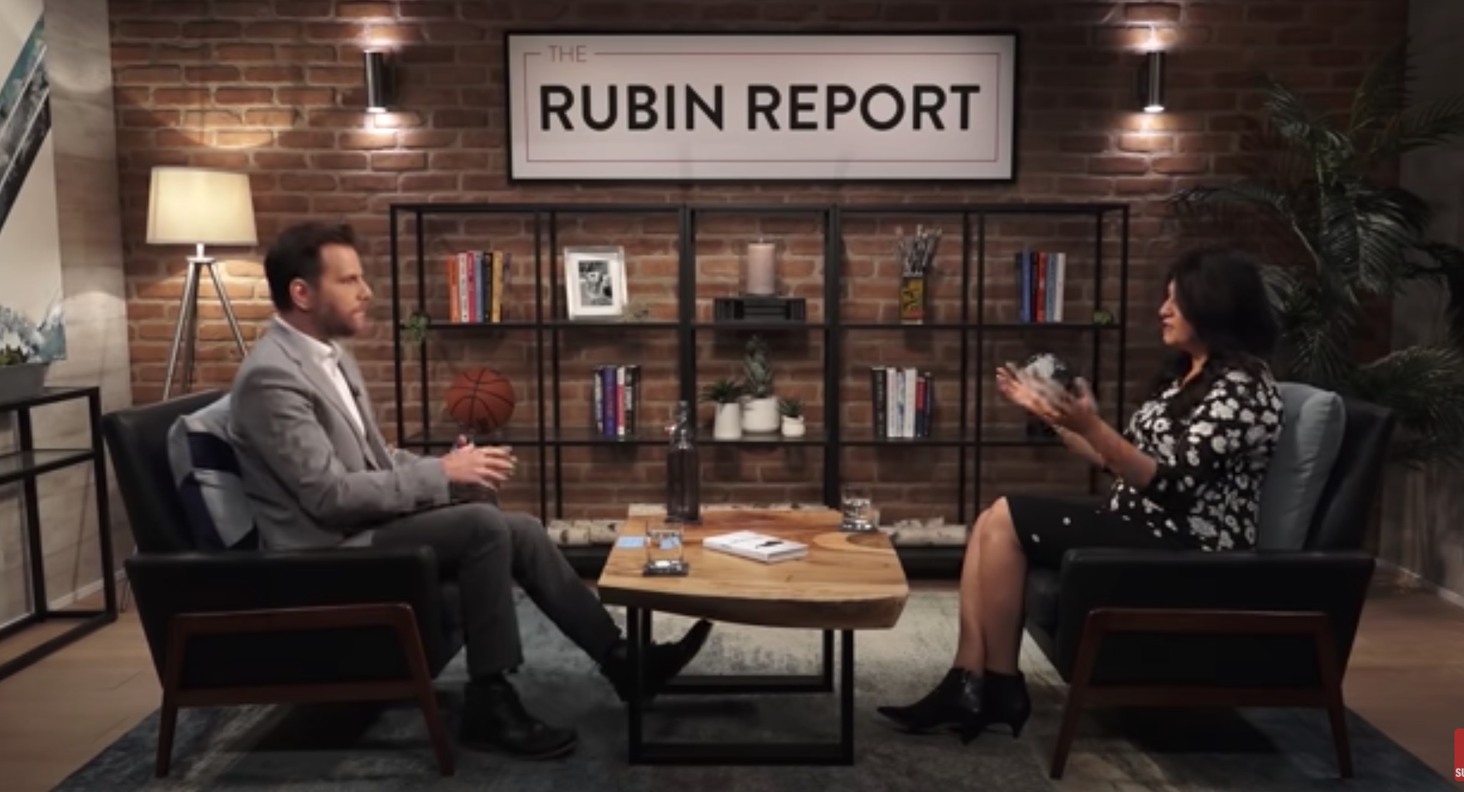
Regarding an issue raised in the Dave Rubin Yasmine Mohammed interview:
One particular point raised by Dave sticks out for me. He asks a few times, whether “liberalism is too soft” on radical ideologies nestled within the boundaries of its political realms. The question is never really engaged directly. But indirectly, there are many points in this interview in which toleration of illiberalism is called into question, as a general policy (either social or legal).
The world today seems divided into two camps: those seeking self-satisfaction, and those seeking self-denial. I think both of these attitudes toward life are mistaken, but an inevitable reaction to the evacuation of virtue from the center of our moral lives.
The self-satisfaction seekers are those who have elevated into the place of virtue, a kind of incontinent pleasure drawn from the unimpeded exercise of the will. These people valorize freedom, only insofar as it serves the satisfaction of the self, whatever that happens to be in the moment.